

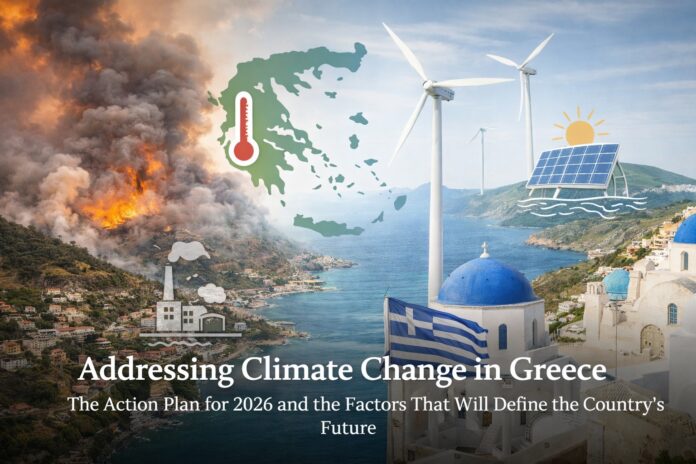
Addressing Climate Change in Greece: The Action Plan for 2026 and the Factors That Will Define the Country’s Future
Climate change poses a significant threat to Greece. Rising temperatures and extreme weather patterns are already affecting the country. Due to its geographical location, Greece relies heavily on tourism and agriculture, making it particularly vulnerable to the impacts of climate change. Immediate action is essential to protect the environment and the economy.
1. Introduction to the New Road Traffic Code and Environmental Protection
The Greek government is revising the Road Traffic Code. These changes incorporate strategies to reduce greenhouse gas emissions. Strengthening renewable energy sources, transitioning away from fossil fuels, and promoting green infrastructure are key elements of the strategy for 2026. Greece aims to cut its emissions by 55% by 2030.
2. Impacts on the Agricultural Economy and Tourism
Climate change directly affects agricultural production. Droughts, excessive heat, and extreme weather conditions threaten crops and biodiversity. The future of tourism is also at risk, as natural disasters, such as wildfires, could damage tourist areas.
3. Strategies for Adapting to and Mitigating Climate Change Impacts
Greece is adopting strategies to adapt to climate change. These include the development of “green” cities and enhancing the use of renewable energy sources. Adapting to new climatic conditions requires improving agricultural practices and protecting the natural environment. The action plan to protect forests and restore ecosystems is crucial.
4. The Role of Citizens and Businesses in Climate Protection
The participation of citizens and businesses is essential for the success of climate strategies. Companies must adopt sustainable practices and reduce their emissions. Society must actively contribute to the promotion of green technologies and recycling.
5. Conclusions and Outlook for 2050
Greece has the potential to become a leader in sustainable development in Europe. The goal of climate neutrality by 2050 is achievable. Implementing these strategies will ensure environmental protection and the well-being of future generations.