

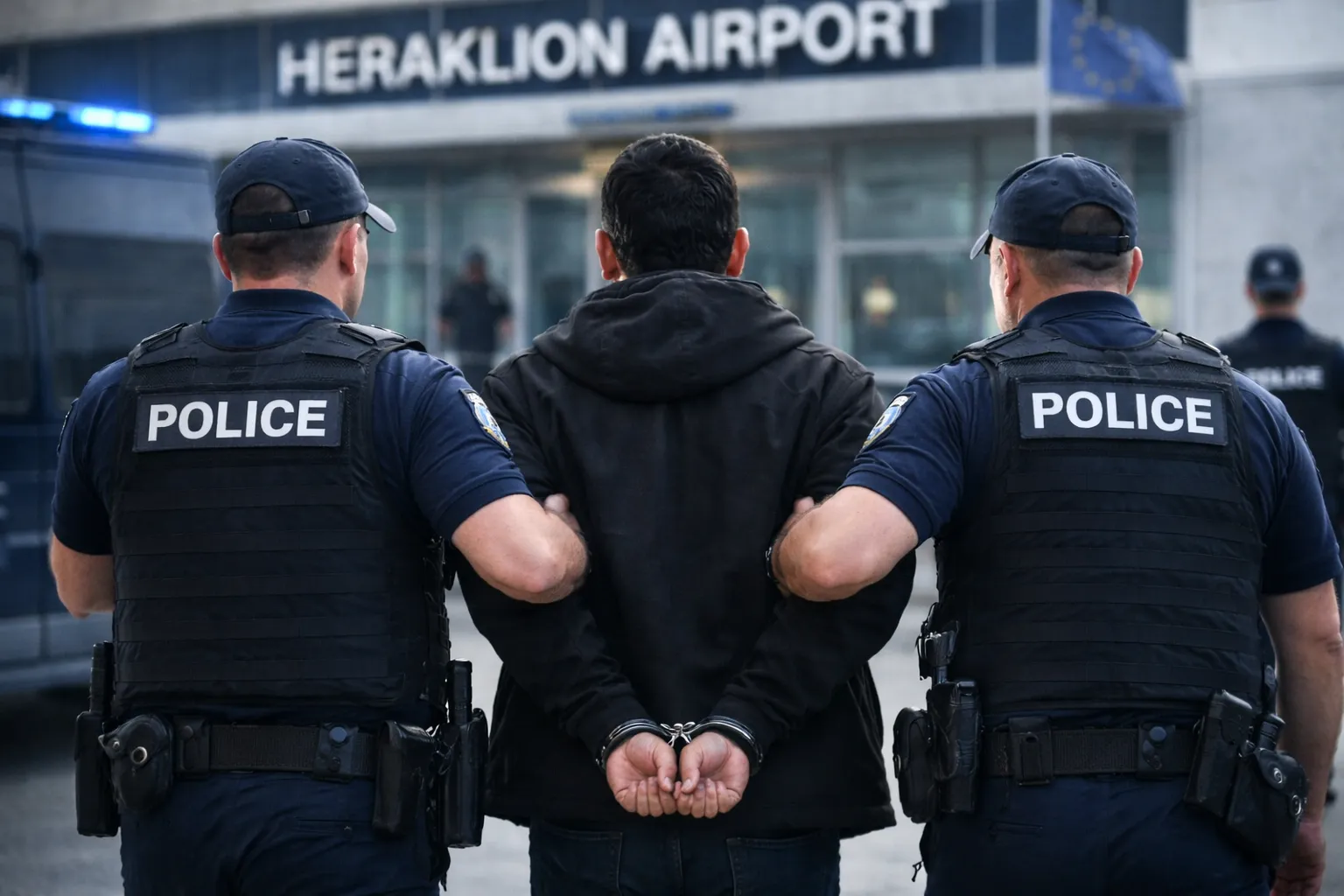
Heraklion Airport detention: what’s known about the reported case and what comes next
Reports in Greece say Mohammed Khatib—described as a coordinator of the Samidoun network—was detained at Heraklion Airport in Crete. According to those accounts, authorities are citing “national security” grounds and a deportation process is expected or being considered. As of now, no full public explanation has been released through an official case file, and more formal clarifications would typically be needed to confirm the precise legal basis and timeline.
The development matters because “national security” cases often involve limited public detail while procedures are ongoing. That makes the basics especially important: which authority issued the decision, what administrative measure is being applied, what rights the person has to legal counsel and appeal, and what deadlines apply.
For more background reporting and updates from the same coverage stream, see Newsio’s EN Greece section.
What “national security” usually means in deportation-related cases
When authorities cite national security in the context of immigration enforcement, the case often moves through administrative procedures (for example, entry refusal, detention pending removal, or deportation orders). In practice, “national security” can narrow what officials disclose publicly, particularly if they claim sensitive information is involved.
At the same time, administrative measures still follow established safeguards and steps. For the broader EU framework that governs return and removal procedures (including safeguards and timelines), see the EU Return Directive (2008/115/EC).
What typically needs to be clarified by official sources
In cases like this, the public record usually becomes clearer when authorities confirm, at minimum:
-
whether a formal deportation decision has been issued or the case is still at the preliminary stage
-
whether the person is under arrest for a criminal matter or held under administrative detention rules
-
access to a lawyer (and interpretation, if needed)
-
what appeal or review options exist, and within which deadlines
-
where the person is being held and under what status
Why the case draws wider attention
Even when a case concerns a single person, “national security” justifications tend to raise broader questions that go beyond the immediate incident—about transparency, due process, and how administrative powers are used in practice. Any assessments of intent or wrongdoing require evidence, and public reporting should be read cautiously until official documents or court decisions establish the facts.
As always, the presumption of innocence applies to any criminal implications unless and until a court rules otherwise.
For more coverage at the intersection of security and cross-border investigations, you can also browse Newsio’s EN World section.