

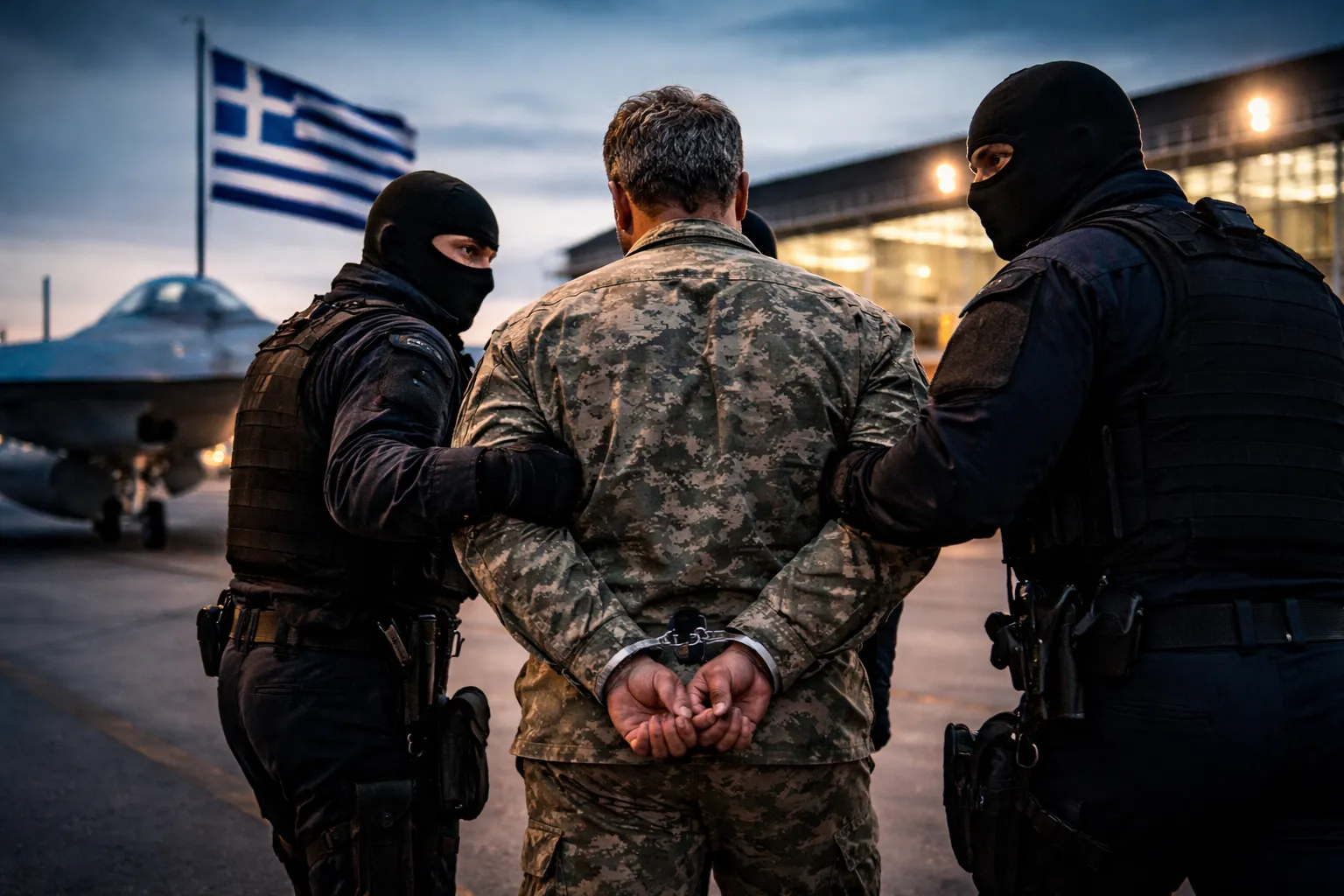
Military Officer Arrested in Greece on Espionage Suspicion: What We Know So Far
Greek authorities are investigating a serious national security case following the arrest of a serving military officer on suspicion of espionage. The case has prompted coordinated action between military leadership, intelligence services, and judicial authorities.
Officials are examining whether classified military information may have been accessed or shared without authorization. The investigation remains active, and authorities are working to determine the full scope of the alleged actions.
What Espionage Charges Typically Involve
Espionage cases generally concern the unauthorized collection, possession, or transmission of classified information to individuals or entities not entitled to receive it.
In a military context, the stakes are particularly high. Service members in sensitive roles may have access to operational planning, infrastructure data, or defense-related systems. Any potential compromise of such information is treated with the utmost seriousness under national security law.
How Investigations Like This Develop
Cases involving suspected espionage rarely emerge overnight. They typically follow extended monitoring and intelligence analysis.
Authorities may examine:
– Digital communications and data transfers
– Financial activity
– Travel and contact patterns
– Access logs to classified systems
These investigations often involve close cooperation between military oversight bodies and national intelligence agencies.
Why This Matters for National Security
The priority in such cases is not only accountability but also damage assessment and prevention.
Investigators seek to determine:
– What information may have been exposed
– Whether additional individuals could be involved
– Whether immediate protective or procedural measures are required
Protecting sensitive defense information is a core responsibility of national authorities, including institutions such as the Hellenic Ministry of National Defense, which oversees military policy and security structures.
Internal Security and Oversight
Modern armed forces operate under strict security protocols. Even so, no system is entirely immune to risk.
Incidents of this kind often lead to:
– Reviews of clearance and access procedures
– Enhanced internal monitoring
– Strengthened cybersecurity safeguards
The goal is to reduce vulnerabilities and reinforce institutional resilience.
Legal Process and Presumption of Innocence
Although the allegations are serious, the legal process is still unfolding. Formal charges and court proceedings depend on the evidence collected during the investigation.
As in any legal matter, the presumption of innocence applies until a court reaches a final decision. Authorities also limit the release of specific details to protect both the investigation and national security interests.
What the Public Should Keep in Mind
National security cases frequently generate speculation. Responsible reporting relies on confirmed informationunverified claims from official sources rather than rumors or unverified claims.
Public understanding benefits from measured, fact-based updates rather than sensationalism, especially in matters involving defense and security.
The Bigger Picture
Cases like this underscore how national security depends not only on external threats but also on internal safeguards and institutional vigilance.
Military and security services operate under continuous oversight precisely to detect and respond to potential risks. Swift action, when concerns arise, is part of maintaining overall national stability and defense readiness.