

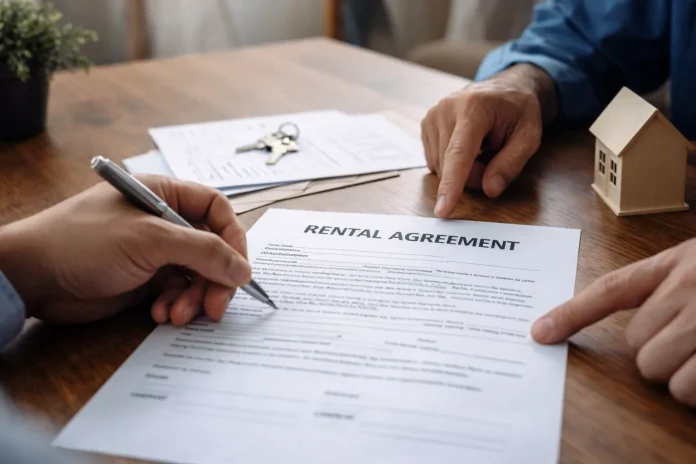
Rent negotiation isn’t haggling — it’s a structured strategy
Rent negotiations are often portrayed as a clash of wills, but the ones that succeed are rarely driven by emotion. They’re driven by preparation, clarity, and concrete written terms. This article gives you actionable techniques (with examples) for negotiating rent fairly and what to check in your lease agreement before you sign.
To set your rent negotiation in a broader housing context — especially how remote work and economic trends influence rental pressure — see our analysis of [The Impact of Remote Work on Global Economic Trends: How the Future of Work is Shaping the Economy.
The core principle: negotiate terms, not just price
Many renters make the same mistake: leading with a number and hoping the landlord accepts it. But a landlord doesn’t just hear “$X.” A landlord hears risk and reliability.
What landlords “buy” when choosing a tenant
-
Predictable, on-time payments
-
Fewer vacancy periods and turnovers
-
Fewer disputes and less administrative effort
-
Better maintenance of the unit
Your leverage as a tenant is to present yourself as low risk and ask for tangible value in return.
A 20-minute prep file that changes the negotiation
1) Build a reliability narrative
You don’t need to overshare personal details, but having:
-
Proof of income or employment
-
A clear intent to sign a 12–24 month lease
-
Automatic bank payments from day one
makes you a more attractive candidate.
2) Bring 2–3 comparable listings (the right way)
You don’t need a long list. Find a few comparable units:
-
Same neighborhood or close radius
-
Similar square footage and condition
-
Similar amenities (parking, laundry, heating)
Use comps to support your offer, not to dismiss the landlord’s perspective.
3) Identify 2–3 “trade items”
If the rent won’t budge, you can still reduce your cost or increase your value:
-
Rent fixed for 12 months (no surprises)
-
Clear rent-increase formula with written notice
-
Repairs completed before move-in
-
Concessions such as first month at a discount
-
Included parking or storage without extra fee
Scripts that work (professional, not confrontational)
Example A: reduced rent in exchange for stability
You: “I really like the unit and plan to stay at least two years. If we can agree on $1,650 instead of $1,700, I can set up automatic payments from day one and commit to a consistent monthly date.”
Why it works: you are offering predictability, not merely asking for a discount.
Example B: price stays — negotiate for repairs
You: “If the rent stays at $1,700, I am ready to move forward if we document two items before move-in: (1) fix the bathroom leak; (2) replace the window seal. Let’s include deadlines for each.”
Why it works: it turns an unstructured promise into measurable obligations.
Example C: negotiate rules, not just numbers
You: “If the rent stays the same, I would like a clear rent-increase policy: no increase for 12 months, and any future change requires written notice 60 days in advance based on a defined formula.”
Why it works: many landlords accept structure more easily than direct reductions.
What must be in writing before you sign
Good negotiation ends on paper. Anything not written tends to become ambiguous later.
1) Move-in condition checklist
Ask for a documented condition report:
-
Walls, floors, and windows
-
Plumbing and electrical basics
-
Appliances (if included) and condition
-
Meter readings and keys
Take photos or video on move-in day. That’s not paranoia — it’s professionalism.
2) Security deposit: timing and allowed deductions
Your lease should clearly state:
-
When the deposit is returned after move-out
-
What deductions are allowed (documented damages/unpaid amounts)
-
Differentiation between normal wear and tear and damage caused by misuse
3) Repairs: clear responsibility split
Vague clauses like “tenant handles minor repairs” cause disputes. A practical division:
-
Landlord: structural, plumbing/electrical issues arising from age/wear
-
Tenant: small upkeep or damages from misuse
If the landlord resists detail, propose a simple decision rule:
Structural/age-related → landlord; misuse/neglect → tenant.
Expert consumer resource for renters
For authoritative guidance and support for renters in the U.S., the Consumer Financial Protection Bureau offers a helpful resource on renter rights and responsibilities: [Help for Renters (CFPB)](renter rights and responsibilities).
A professional lease review checklist (what to read like an editor)
Think of the lease as a crisis map — you won’t need it when things are smooth, but you will when something breaks.
A) The basics (don’t skip them)
-
Correct legal names and unit address
-
Lease start and end dates
-
Rent amount, due date, and payment method
-
Any grace period and late fee language
B) Proof of payment
Use traceable payments like ACH or bank transfer. If cash is used, require written receipts.
C) Use restrictions that often trigger disputes
-
Pets (allowed, fee, rules)
-
Subletting or roommate permission
-
Alterations (painting, drilling, mounting)
-
Business use (explicitly stated if prohibited)
D) Maintenance rules
Clarify:
-
How you report issues (email/text)
-
Expected response time for urgent problems (e.g., no heat, leaks)
-
Access to unit for repairs (notice requirements/exceptions)
E) Move-out expectations
-
Cleaning standards
-
Keys handover
-
Final walkthrough timing
-
Deposit return and itemization
Mini case studies (where the real risk hides)
Case 1: “There’s some dampness; we’ll see about it later”
Don’t leave this open-ended. Put:
-
The specific fix
-
A deadline
-
What happens if it isn’t resolved
Case 2: “The place is furnished, but furniture is old”
Document inventory and condition. Otherwise, “it was already broken” becomes ambiguous.
Case 3: “Lower cash rent with no paperwork”
That removes your legal protections. A documented lease protects both sides.
Macro drivers you should keep an eye on
Rent isn’t only a negotiation between two people — it’s affected by broader economic shifts. Discussions like those in (Davos 2026 World Economic Forum): What It Means for the Economy — 5 Themes That Can Move Markets, Businesses, and Households.
What this means in practice: a simple strategy to close safely
1) Make your first proposal short and specific
One clear message can settle it:
-
Your offer (number or terms)
-
Intended lease length
-
Payment method
-
What must be written
2) Speak in solutions, not objections
Use language like:
-
“To move forward this week, I need…”
-
“Let’s document this to protect both sides.”
-
“If rent stays the same, can we agree on these terms…”
3) Aim for safe, not perfect
The perfect unit is rare. A safe lease is achievable.
4) When to get a professional review
If the lease contains:
-
heavy penalties
-
vague repair responsibilities
-
unclear deposit return rules
-
unusual fees or restrictions
…a quick professional review is cheap prevention.
Closing
Effective rent negotiation isn’t aggressive — it’s documented, calm, and precise. You reduce risk by offering reliability and insisting that crucial points live in the lease, not in intentions. Organize a reusable checklist and template negotiation script, and every future apartment search becomes clearer, faster, and safer.